🌱 Traffic light · route finder · course · recipes
📊 Expert viewEvery beginning is hard. With mushrooms, sometimes even deadly.
That is why we take you by the hand: we show you when and where searching is worthwhile, which mushrooms are suited for starting out and how to recognise them – and when in doubt, we show you where to find mushroom experts near you. Step by step. But you always decide yourself what you collect and eat – we only give orientation. By the way: even porcini and chanterelles have look-alikes that can be deadly.
We only remember your place on this device.
Beginner mushrooms – up now
Species suited for starting out – from easy to harder. Tap a species to get to know it.
Even porcini and chanterelles have look-alikes that can be deadly.
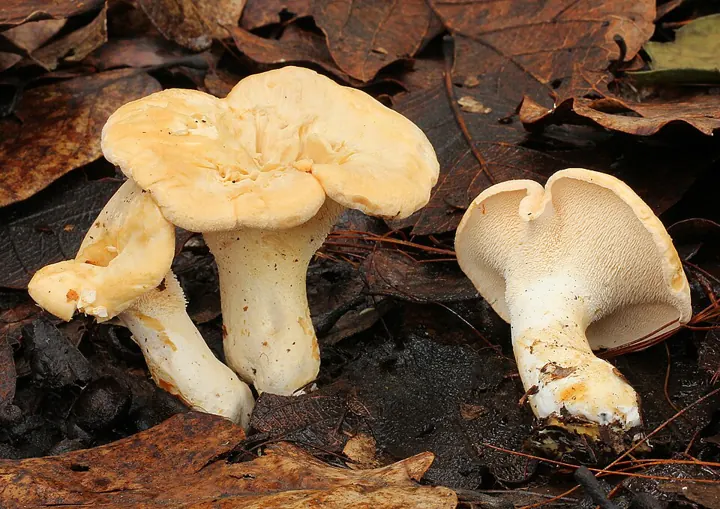
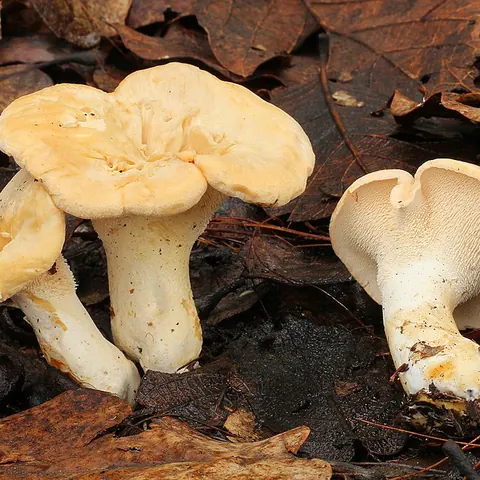 Hedgehog Mushroom
Beginner-friendly
Only what you know · nothing old · identify first, then eat
⚖️ No guarantee · not an identification aid · collecting and eating at your own risk
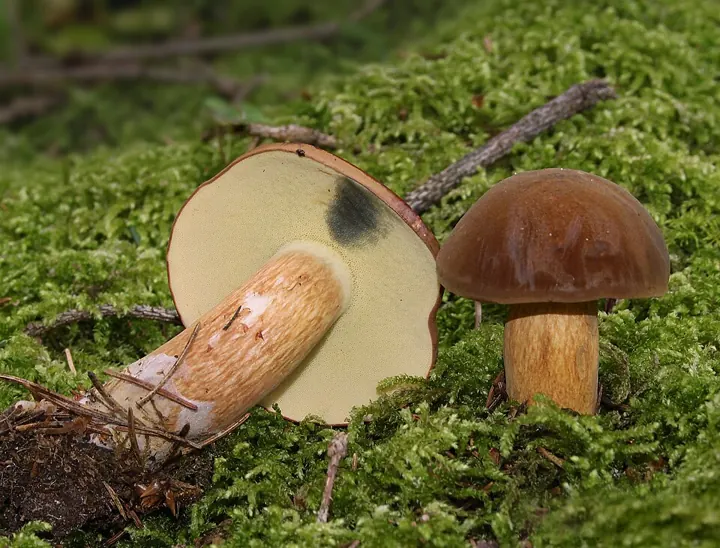
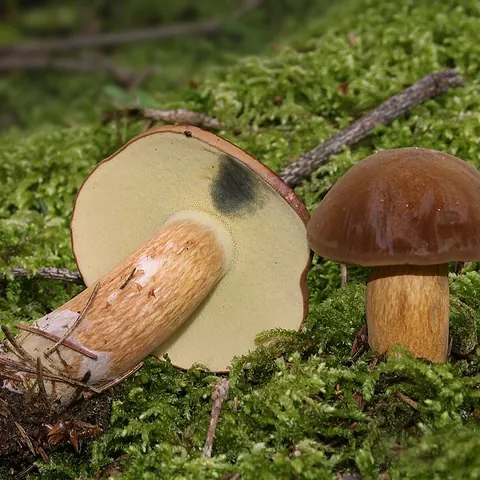 Bay Bolete
Beginner-friendly
Only what you know · nothing old · identify first, then eat
⚖️ No guarantee · not an identification aid · collecting and eating at your own risk
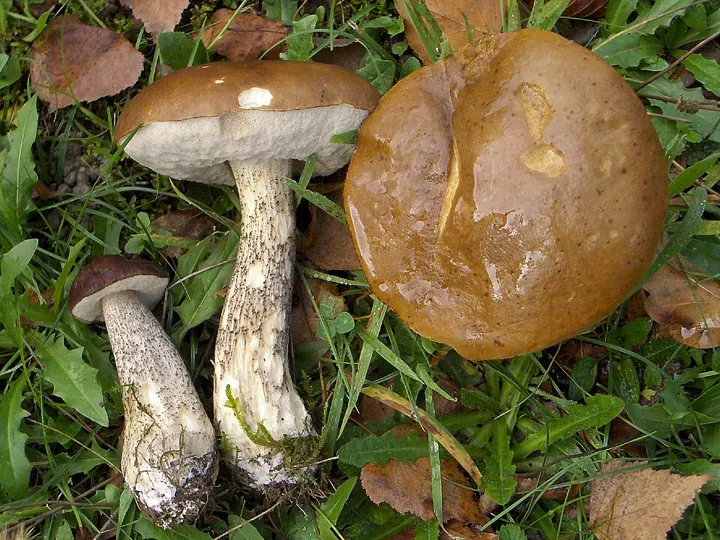
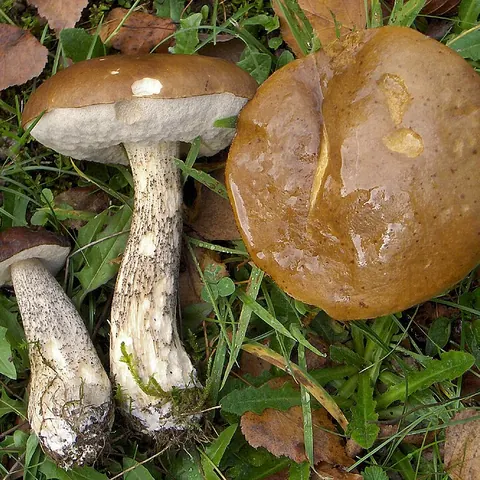 Rough-stemmed Bolete
Beginner-friendly
🛡️ Protected species only in small amounts for personal use, never in nature reserves.
Only what you know · nothing old · identify first, then eat
⚖️ No guarantee · not an identification aid · collecting and eating at your own risk
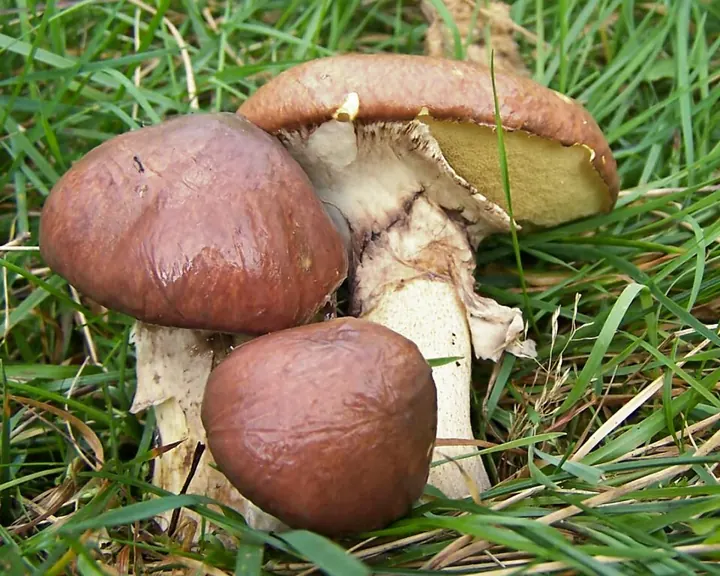
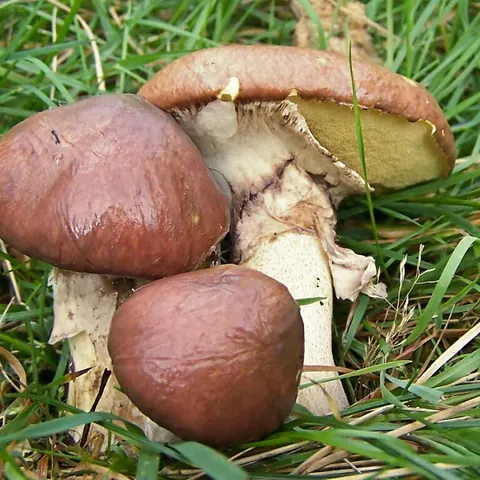 Slippery Jack
Beginner-friendly
Only what you know · nothing old · identify first, then eat
⚖️ No guarantee · not an identification aid · collecting and eating at your own risk
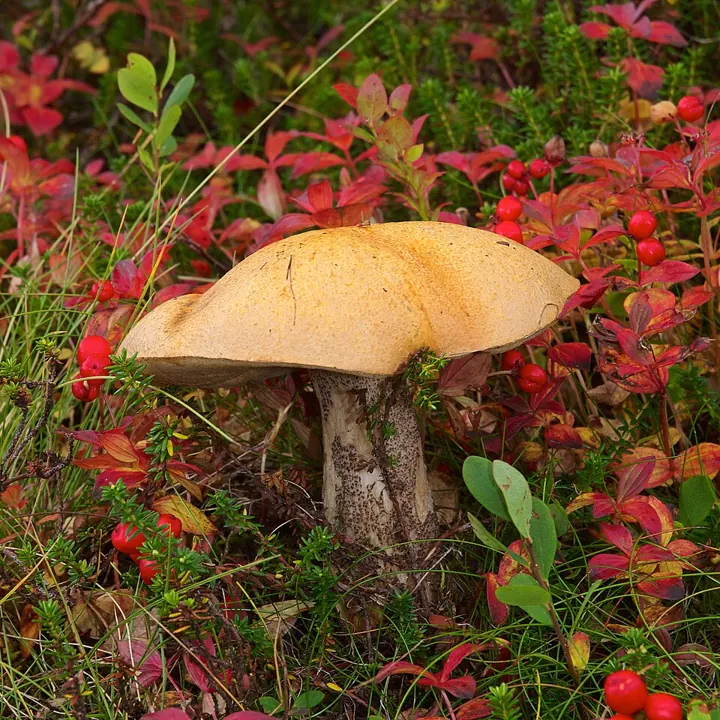
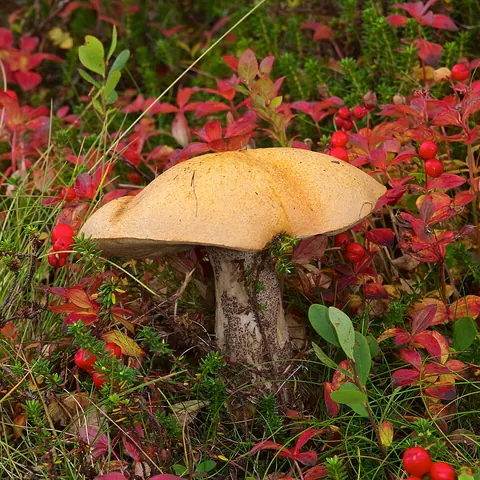 Orange Birch Bolete
Beginner-friendly
🛡️ Protected species only in small amounts for personal use, never in nature reserves.
Only what you know · nothing old · identify first, then eat
⚖️ No guarantee · not an identification aid · collecting and eating at your own risk
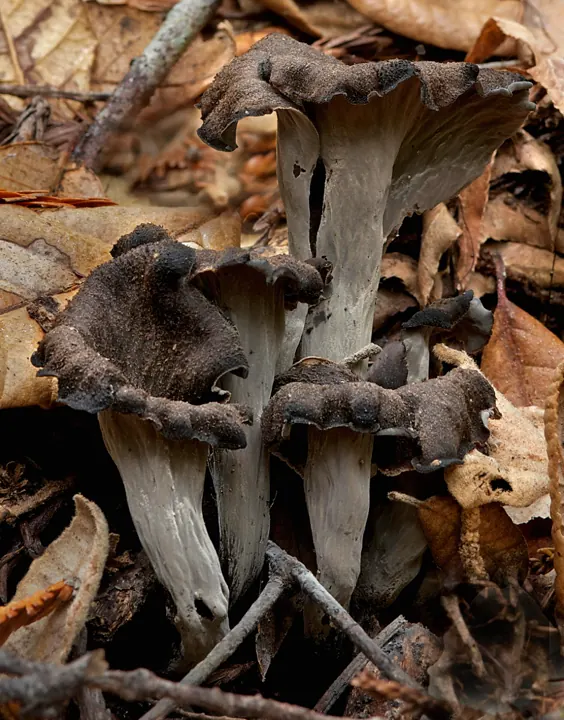
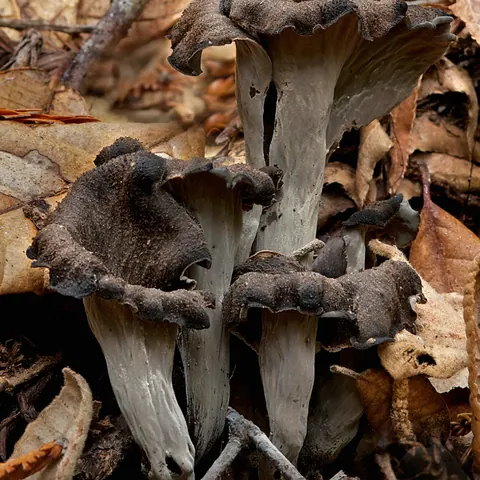 Horn of Plenty
Beginner-friendly
Only what you know · nothing old · identify first, then eat
⚖️ No guarantee · not an identification aid · collecting and eating at your own risk
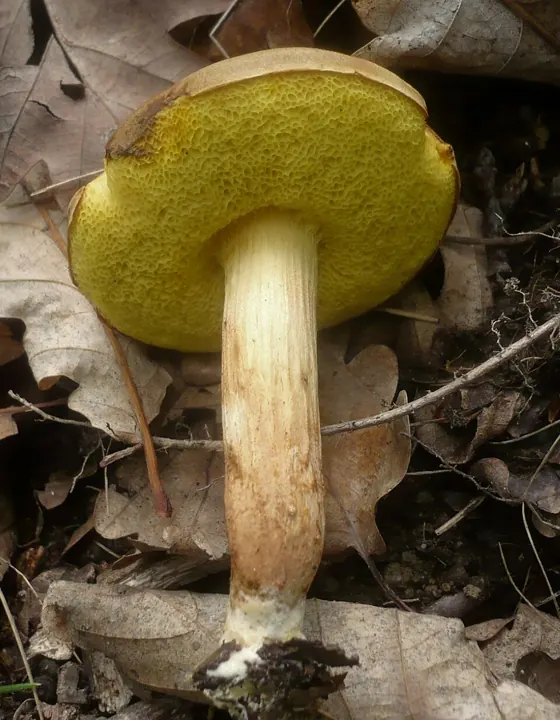
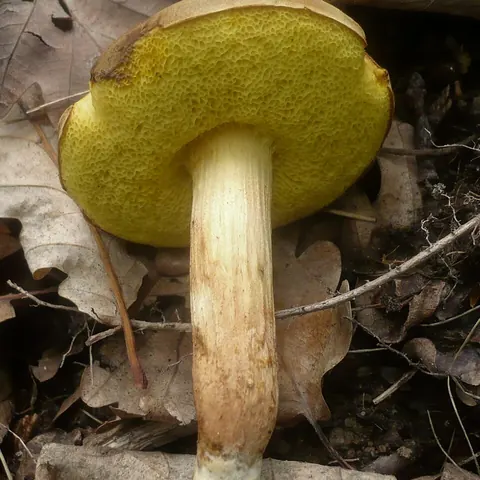 Suede Bolete
Beginner-friendly
Only what you know · nothing old · identify first, then eat
⚖️ No guarantee · not an identification aid · collecting and eating at your own risk
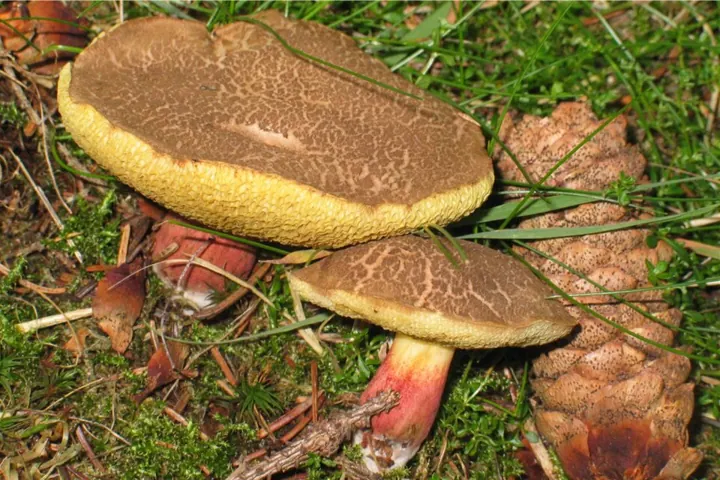
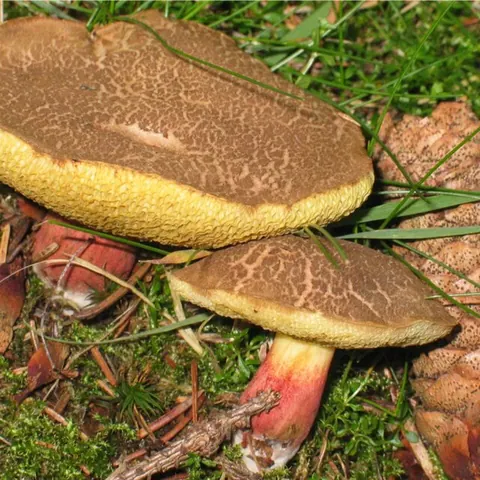 Red-cracking Bolete
Beginner-friendly
Only what you know · nothing old · identify first, then eat
⚖️ No guarantee · not an identification aid · collecting and eating at your own risk
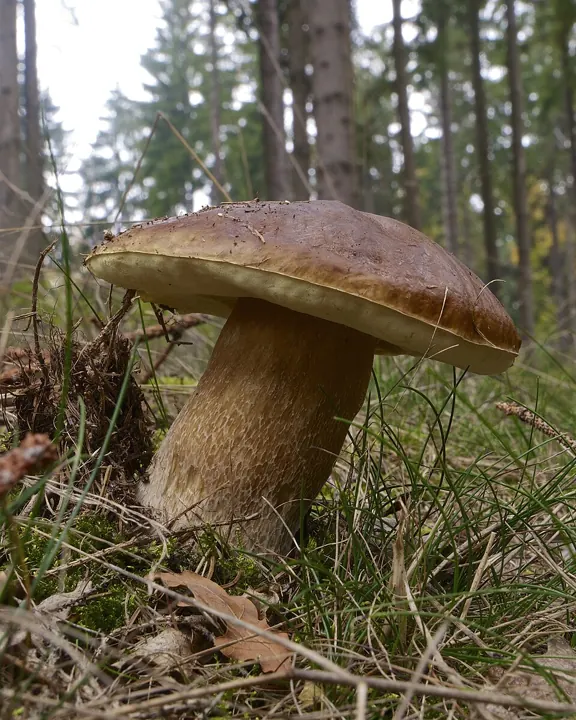
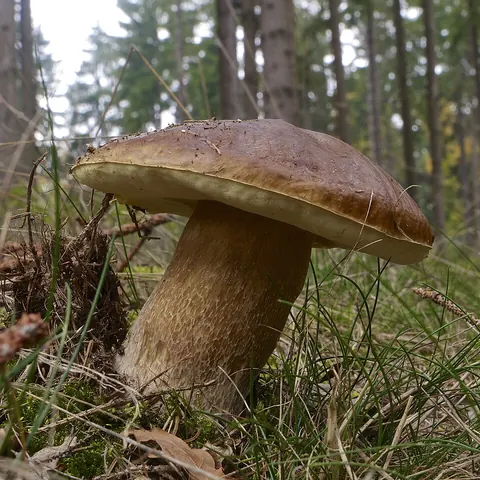 Porcini Mushroom
Extra rule only
🛡️ Protected species only in small amounts for personal use, never in nature reserves.
Only what you know · nothing old · identify first, then eat
⚖️ No guarantee · not an identification aid · collecting and eating at your own risk
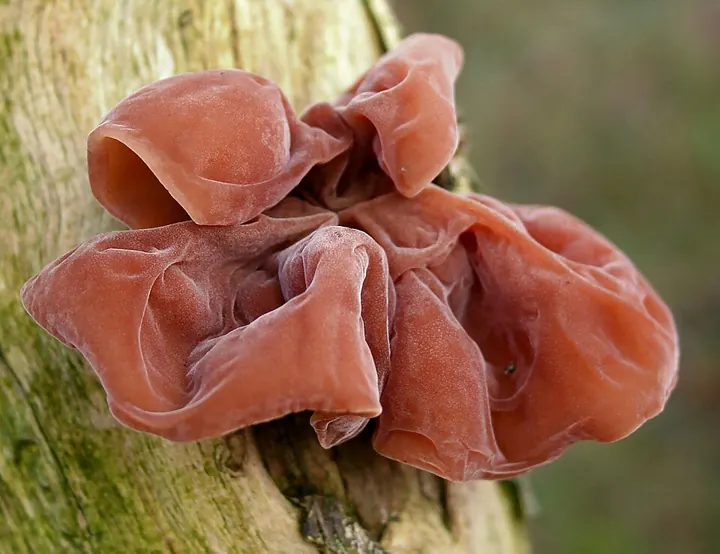
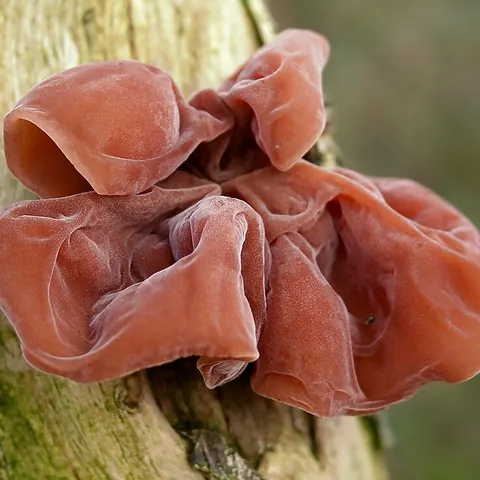 Judas’ Ear
Beginner-friendly
Only what you know · nothing old · identify first, then eat
⚖️ No guarantee · not an identification aid · collecting and eating at your own risk
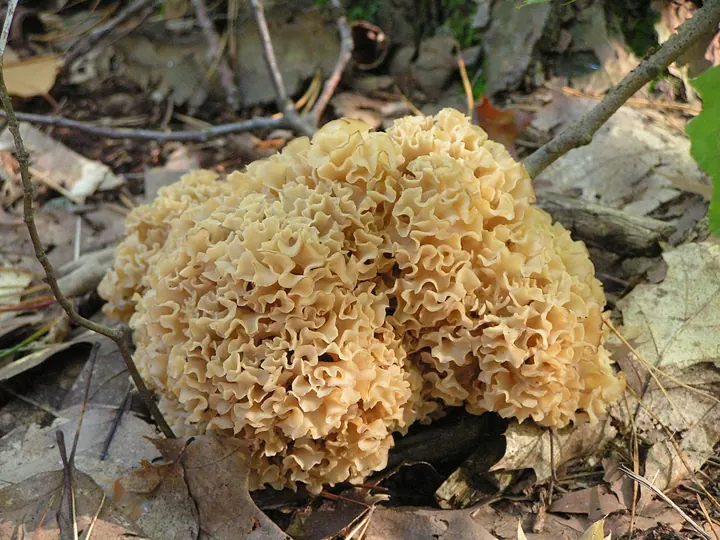
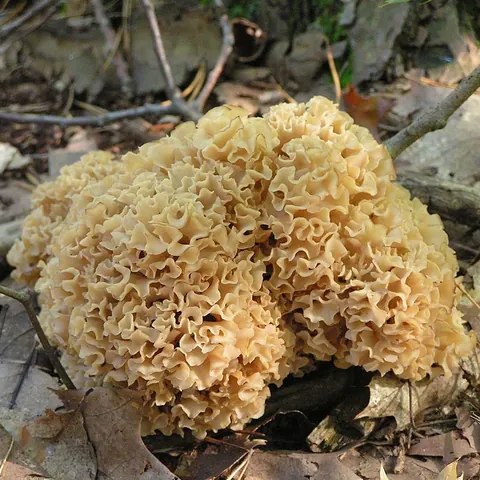 Cauliflower Mushroom
Extra rule only
Only what you know · nothing old · identify first, then eat
⚖️ No guarantee · not an identification aid · collecting and eating at your own risk
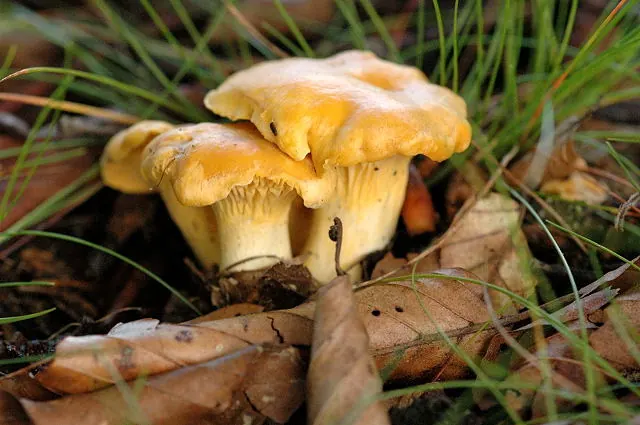
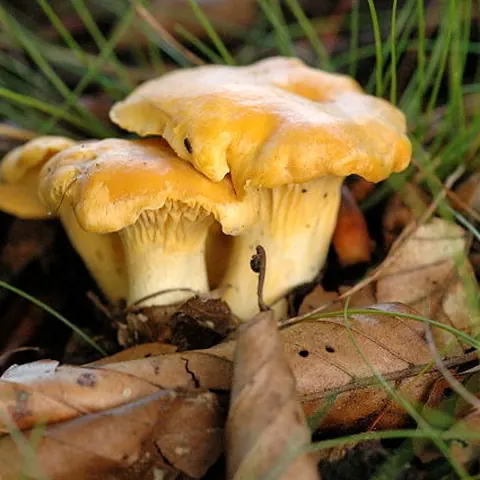 Chanterelle
Extra rule only
🛡️ Protected species only in small amounts for personal use, never in nature reserves.
Only what you know · nothing old · identify first, then eat
⚖️ No guarantee · not an identification aid · collecting and eating at your own risk
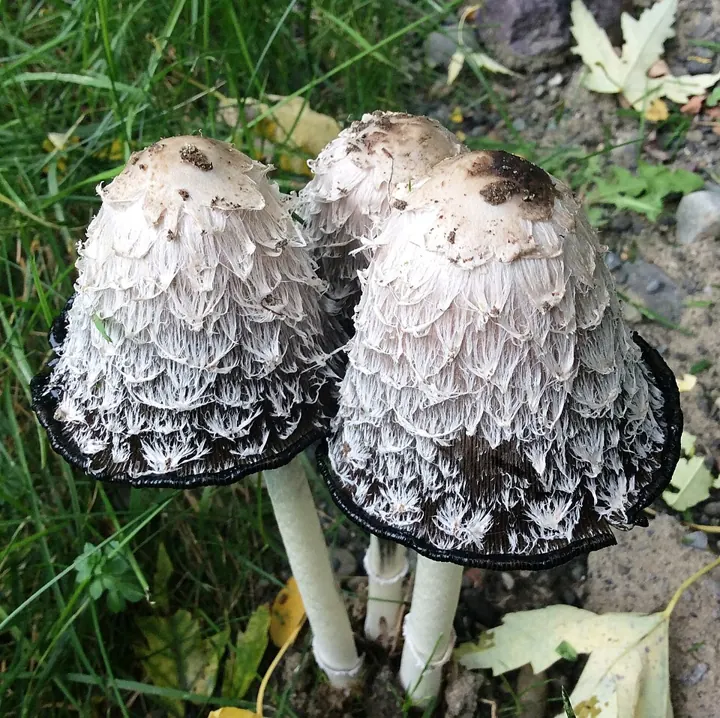
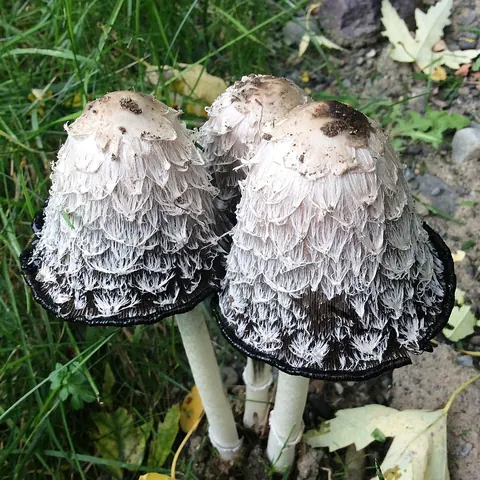 Shaggy Ink Cap
Extra rule only
Only what you know · nothing old · identify first, then eat
⚖️ No guarantee · not an identification aid · collecting and eating at your own risk
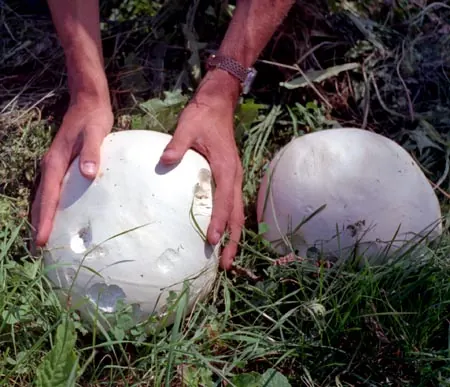
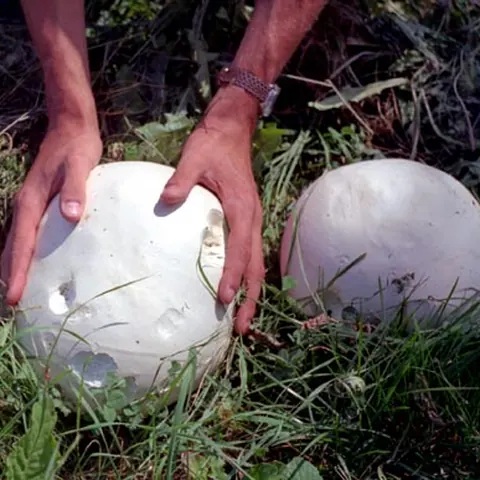 Giant Puffball
Extra rule only
Only what you know · nothing old · identify first, then eat
⚖️ No guarantee · not an identification aid · collecting and eating at your own risk
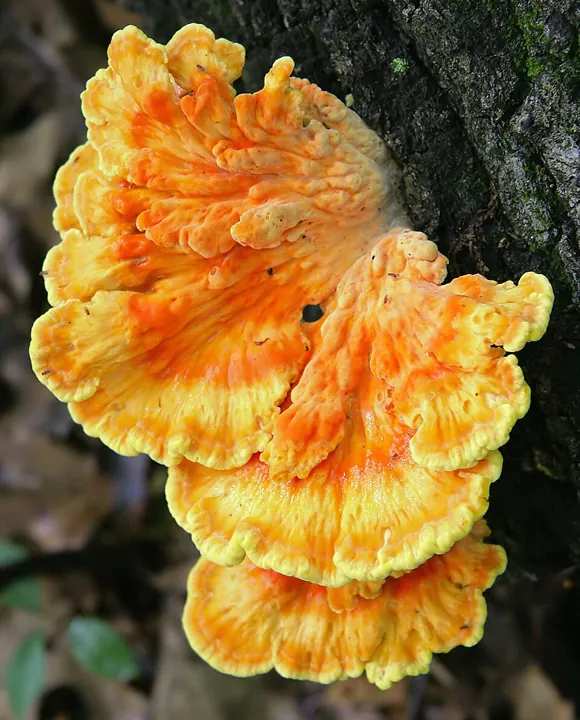
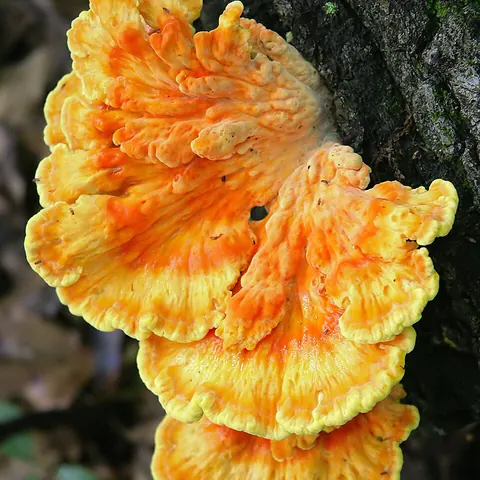 Chicken of the Woods
Extra rule only
Only what you know · nothing old · identify first, then eat
⚖️ No guarantee · not an identification aid · collecting and eating at your own risk
Good edible mushrooms – but with poisonous or even deadly look-alikes. Save them for later: only collect them with plenty of experience, and at first only after a check by a mushroom expert.
Stay safe
If in doubt: leave it. Apps and photos are no green light.
Soft, mushy, maggoty or musty mushrooms make you ill – edible species too ("false mushroom poisoning").
If in doubt, ask a mushroom expert. Only then cook – and always cook thoroughly.
Find a mushroom expert near you ↗Unsure? Ask a mushroom expert – many check finds for free or for a donation (independent DGfM service). Bring the whole mushrooms, uncleaned and sorted by species. Find a mushroom expert near you ↗
📋 Official DGfM list of edible mushrooms (German) ↗
Emergency after eating mushrooms: call 112 or poison control – in Germany usually area code + 19240 (e.g. Berlin 030 19240, Munich 089 19240), Austria 01 406 43 43, Switzerland 145. Keep leftovers and trimmings.
Your mushroom course
🔒 With a free account
The course takes you through 27 short steps, from forest and soil to your first safe species – each with a small check question. Your progress is saved.
Sign up for free I already have an account
Free, no ads, no subscription. Signing up takes a minute.
⚖️ The course teaches basic knowledge. It does not replace identification on site, expert advice or a mushroom-expert exam.
Theory test
🔒 With a free account
The theory test checks with 33 questions whether you know the basics for sure – with an explanation for every answer.
Sign up for free I already have an account
Free, no ads, no subscription. Signing up takes a minute.
⚖️ The test is for practice only. It is no proof of expertise and replaces neither identification on site nor expert advice.
Beginner recipes
Identify for sure first, then cook. And always cook thoroughly – at least 15–20 minutes.
The classic – simple, quick and good for almost all beginner mushrooms.
For: Porcini Mushroom, Bay Bolete, Rough-stemmed Bolete, Orange Birch Bolete, Red-cracking Bolete, Suede Bolete, Hedgehog Mushroom, Slippery Jack, Chanterelle
⚠️ Only surely identified, fresh mushrooms. Generously cut away old, soft or maggoty parts – if in doubt, throw it out.
Only what you know · nothing old · identify first, then eat
⚖️ Only with surely identified, fresh mushrooms. No guarantee – preparation and eating at your own risk.
Sunday food – creamy and cosy.
For: Bay Bolete, Porcini Mushroom, Hedgehog Mushroom, Rough-stemmed Bolete, Orange Birch Bolete, Chanterelle, Horn of Plenty
⚠️ Only surely identified, fresh mushrooms. Generously cut away old, soft or maggoty parts – if in doubt, throw it out.
Only what you know · nothing old · identify first, then eat
⚖️ Only with surely identified, fresh mushrooms. No guarantee – preparation and eating at your own risk.
Breaded cauliflower fungus – crispy outside, firm inside.
For: Cauliflower Mushroom
⚠️ Only surely identified, fresh mushrooms. Generously cut away old, soft or maggoty parts – if in doubt, throw it out.
Only what you know · nothing old · identify first, then eat
⚖️ Only with surely identified, fresh mushrooms. No guarantee – preparation and eating at your own risk.
Perfect when you only found a handful.
For: Shaggy Ink Cap, Judas’ Ear, Porcini Mushroom, Bay Bolete, Red-cracking Bolete, Suede Bolete, Hedgehog Mushroom
⚠️ Only surely identified, fresh mushrooms. Generously cut away old, soft or maggoty parts – if in doubt, throw it out.
Only what you know · nothing old · identify first, then eat
⚖️ Only with surely identified, fresh mushrooms. No guarantee – preparation and eating at your own risk.
For good mushroom years: dried, they keep for months and season any sauce.
For: Porcini Mushroom, Bay Bolete, Horn of Plenty, Judas’ Ear
⚠️ Only surely identified, fresh mushrooms. Generously cut away old, soft or maggoty parts – if in doubt, throw it out.
Only what you know · nothing old · identify first, then eat
⚖️ Only with surely identified, fresh mushrooms. No guarantee – preparation and eating at your own risk.
FAQ
Good starters are species with striking features and no known dangerous look-alikes – for example the hedgehog mushroom (spines instead of gills), the bay bolete, the birch bolete or the slippery jack. Even porcini and chanterelles have look-alikes that can be deadly, so they come later in the course. Gilled mushrooms such as field mushrooms are not for beginners.
In Central Europe the main season is August to October. Mushrooms appear about 7–14 days after heavy rain, with mild temperatures and moist soil. The traffic light on this page shows this for your area. Go in the morning – the mushrooms are fresh then.
Many edible mushrooms live with specific trees: birch boletes with birches, slippery jacks with pines, bay boletes and porcini with spruce and pine, hedgehog mushrooms with beech too. Good spots are forest edges and mossy path banks. The route finder suggests forests within your chosen radius.
Only by surely identifying all features – and when in doubt, by asking a mushroom expert. Apps, photos or taste are not a safe method. Rules of thumb such as "silver spoon" or "slugs ate it" do not reveal poisonous mushrooms. And even an edible mushroom must not be too old.
Illness caused by spoiled edible mushrooms: when mushrooms are too old, maggoty, transported badly or stored too long, their proteins break down and bacteria grow. So: only collect fresh, firm mushrooms in an airy basket and prepare them the same day.
Call 112 or your poison control centre immediately. Keep leftovers and trimmings. Do not force vomiting, no milk. With the most dangerous mushroom toxins, symptoms only start after hours – get help right away then too.
In Germany, mushrooms may generally be collected in small amounts for personal use – often around 1 kg per person per day as a guideline. Selling needs a permit. Collecting is off-limits in national parks, nature reserves, fenced areas and plantations; Austria and Switzerland have their own rules. Protected species such as porcini or chanterelles only in small amounts, never in nature reserves. Rules differ by region – check locally. All information without guarantee.
Wild mushrooms can contain heavy metals and, in some regions, still caesium from Chernobyl. For adults, no more than about 200–250 g of wild mushrooms per week is recommended. Pregnant or breastfeeding women and small children are better off avoiding them. And always: cook thoroughly and prepare within 24 hours.
No – not for eating. The German Mycological Society explicitly advises against identifying edible mushrooms by app; apps are often wrong. They can help with learning, but never replace identification by a mushroom expert. Good ways to learn are guided walks, courses and exhibitions.
Only what you know · nothing old · identify first, then eat
⚖️ No guarantee · not an identification aid · collecting and eating at your own risk
