
Beginners
Start here
The forest offers mushrooms, wild plants, berries and nuts. Choose your path – both follow the same steps and the same safety rules.
In season now
Mushrooms
Autumn and summer. Start with the species that are easy to tell apart.
-
Learn the basics.
Get one good field guide for your region and learn two or three species first.
-
Start with easy species.
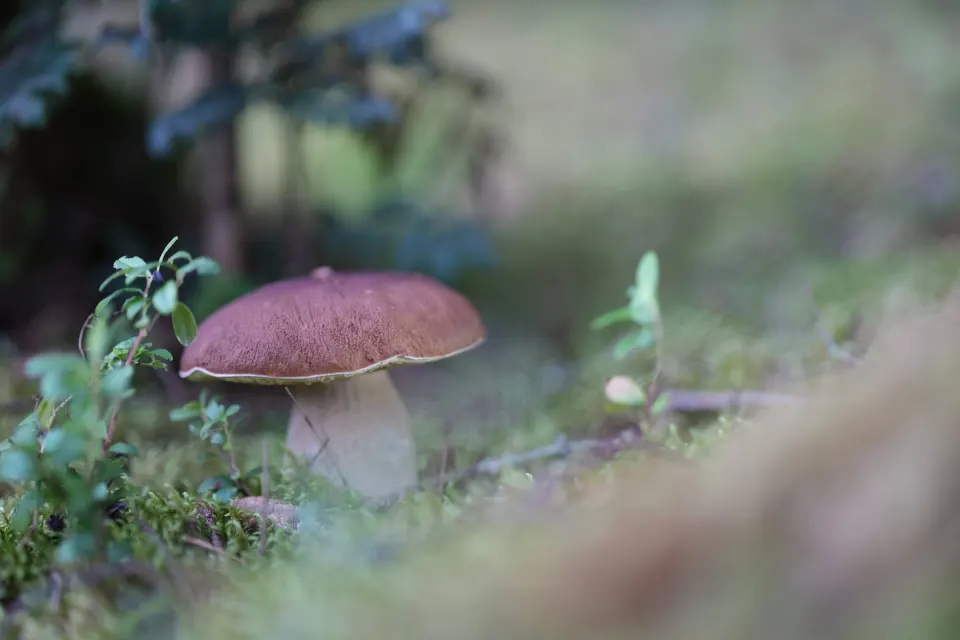
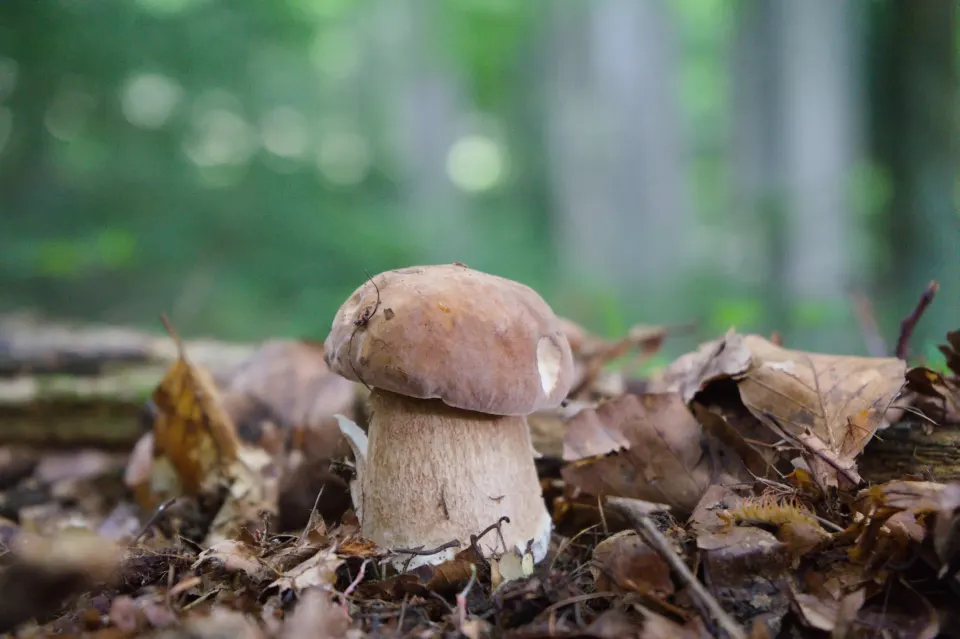
Beginner species such as the Maronen bolete, the chanterelle-like Semmelstoppelpilz and the parasol are a good start.
-
Know the deadly look-alikes.
Destroying angel and death cap look like edible mushrooms. Learn them before you pick anything.
-
Plan with the maps.
Forecast, species map and hotspot map show where and when to look.
-
Prepare and enjoy.
Cook mushrooms thoroughly, and eat only what you are sure about. Recipes are in the menu.
Wild plants, berries and nuts
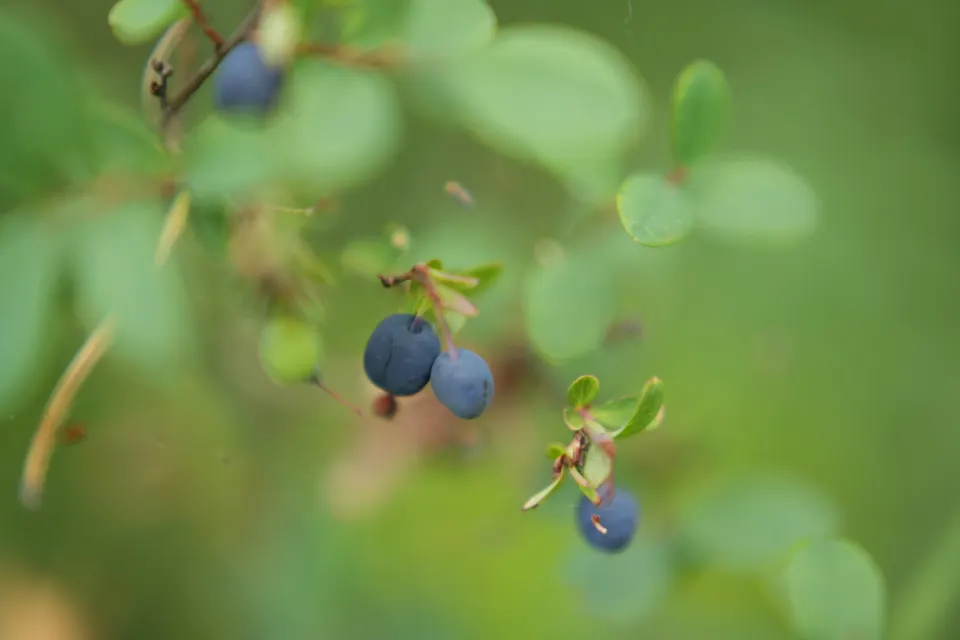
Spring to autumn: wild herbs in spring, berries in summer, nuts in autumn.
-
Learn the basics.
Get one field guide for wild plants and learn two or three plants first.
-
Start with easy plants.
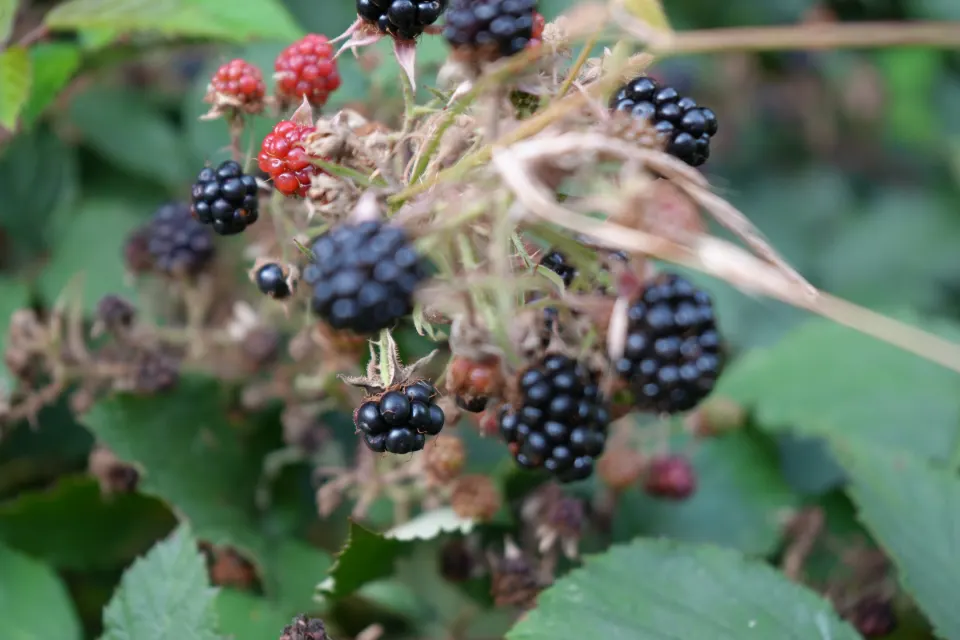
Dandelion, nettle, raspberries and hazelnuts are easy to identify and hard to mix up with poisonous plants.
-
Know the look-alikes.
Wild garlic can be mistaken for lily of the valley and autumn crocus; ground elder for poison hemlock.
-
Plan with the maps.
The plant species map shows where plants are reported, and the indicator hints show soil and site.
-
Prepare and enjoy.
Wash everything, cook nettles, remove hairs from rose hips, and do not eat sloes raw.
Three golden rules, for both
If something goes wrong
If you or someone else may have eaten a poisonous mushroom or plant, act at once: call the emergency number 112 (in Germany) or your local poison control centre. Do not wait for symptoms. Keep a sample or photo for the doctors.
This page orients you; it does not replace a field guide or an expert. Our identification aids are hints, not guarantees.