
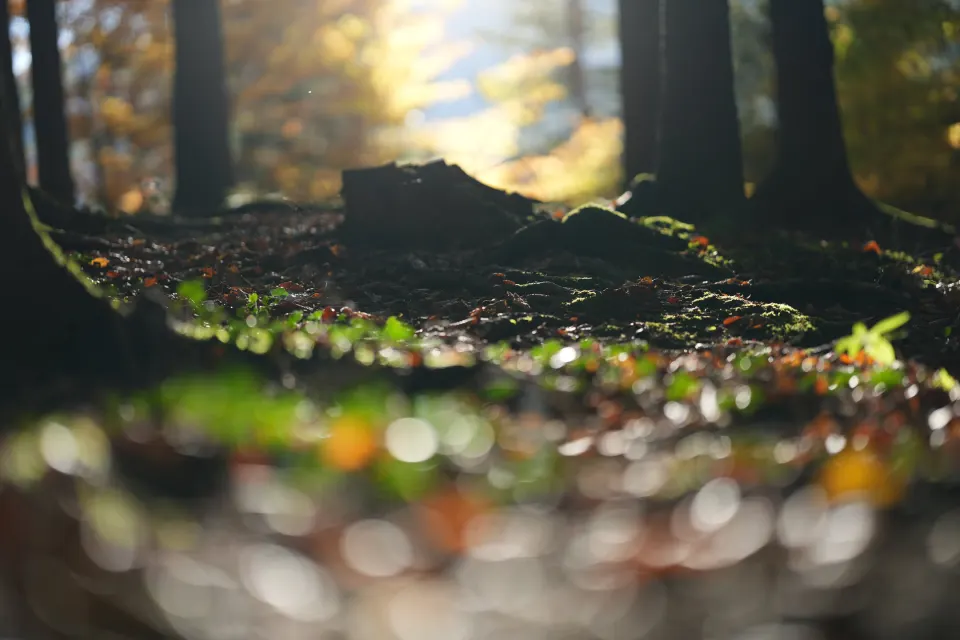
 Forest for the season
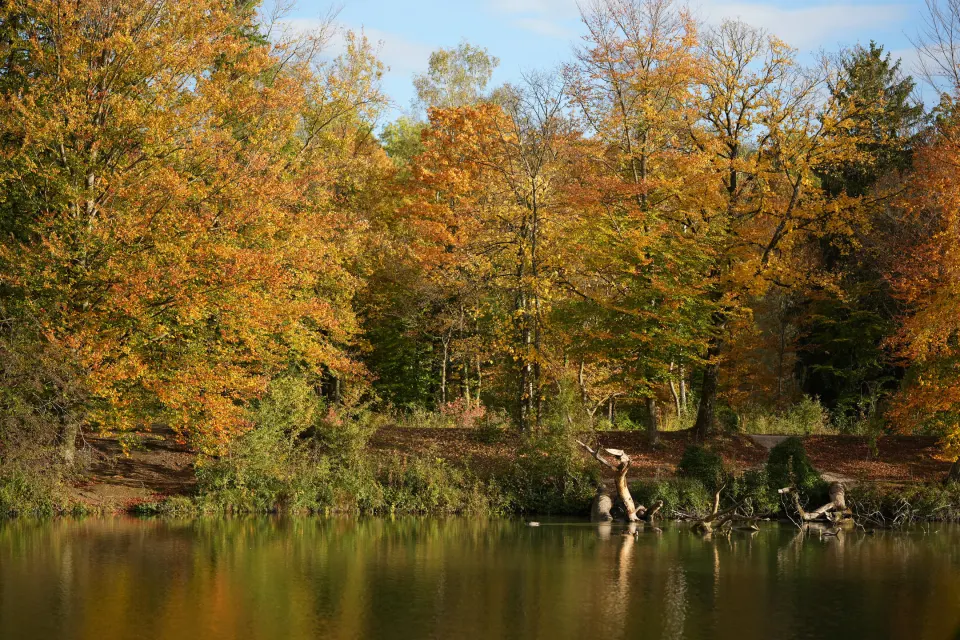
Golden larches and beeches in autumn, firs and spruces for frost and snow in winter, fresh green and alder floodplains in spring – or your chosen trees.
📷 Photo planner · location scouting in nature
The tour planner that knows nature: it takes you to nature locations that suit right now – on the right day, at the right time. Foggy forest, viewpoint, mountain lake or autumn woods: your natural studio, lit by sun and fog.
Location scouting, timing and weather in one plan – for your shoot in the natural studio on your doorstep.
The planner knows forests down to the tree species, viewpoints, summits, lakes, streams, mountain huts and mushroom woods – and picks the sets that suit the season.
The photo weather shows on which of the next three days fog, rime, hoar frost or good light are likely.
Start at blue hour, with the arrival time at every spot – so you stand where you want to be when the golden light comes.
Open the photo planner free with an account
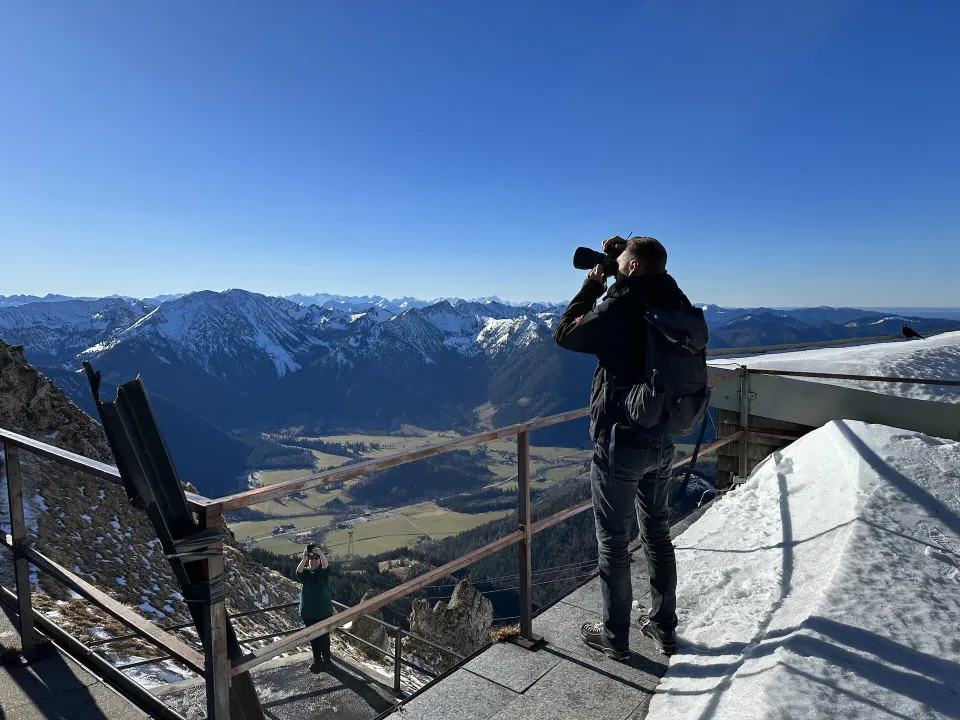
All from our own maps and real finds – you never know what a photographer is looking for.
Forest for the seasonGolden larches and beeches in autumn, firs and spruces for frost and snow in winter, fresh green and alder floodplains in spring – or your chosen trees.
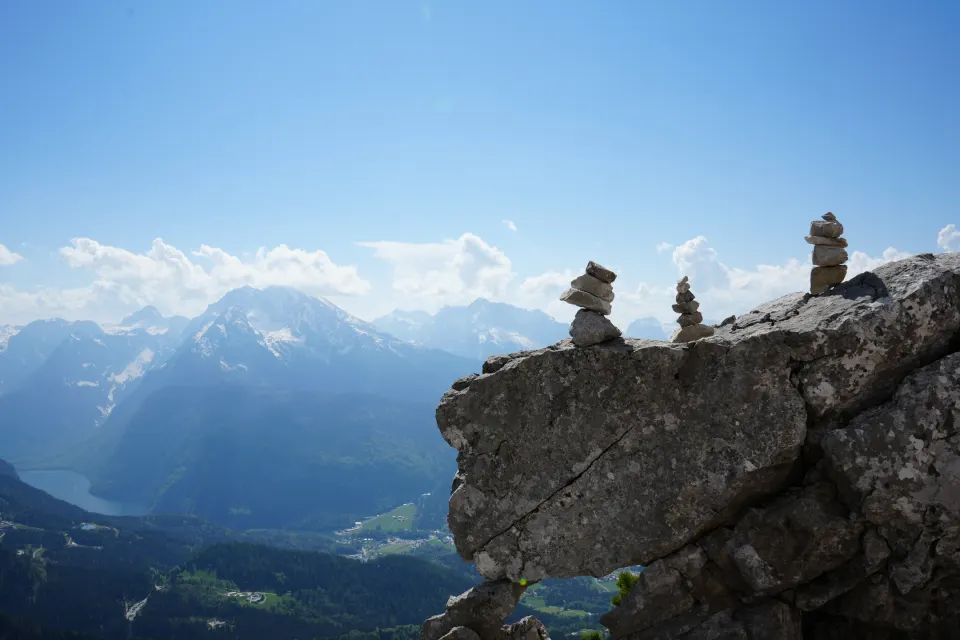 Viewpoint
Wide views for sunrise and sunset, often with fog in the valley below.
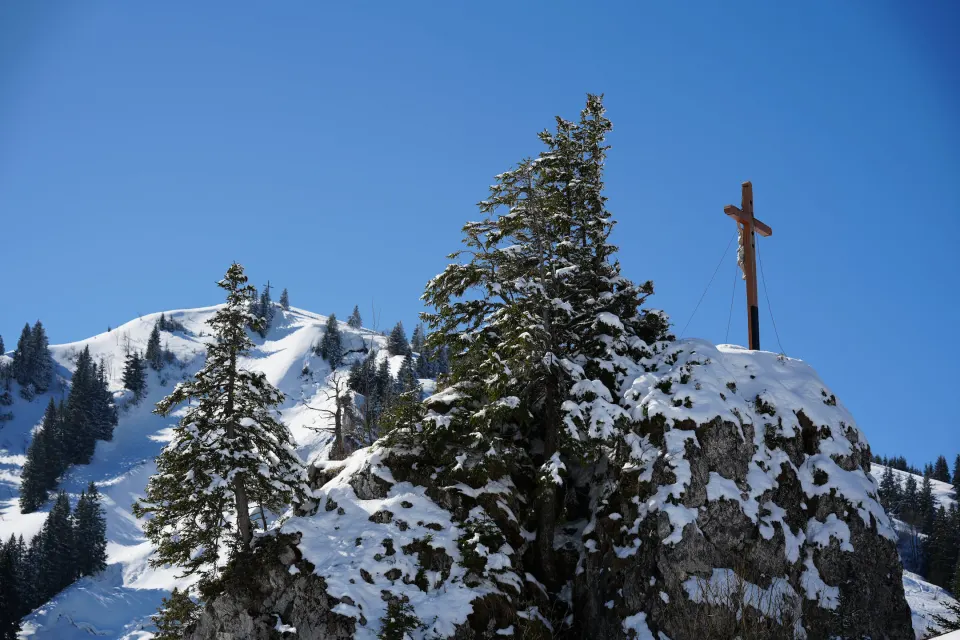 Summit
Above the fog on clear autumn mornings, summit crosses as subjects.
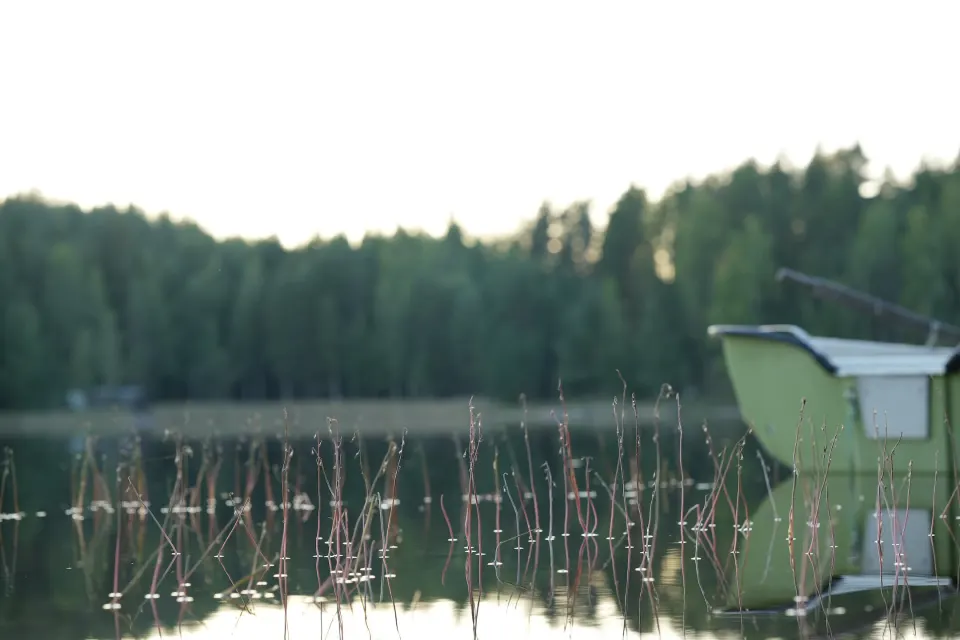 Lake
Reflections at dawn; fog forms over water first.
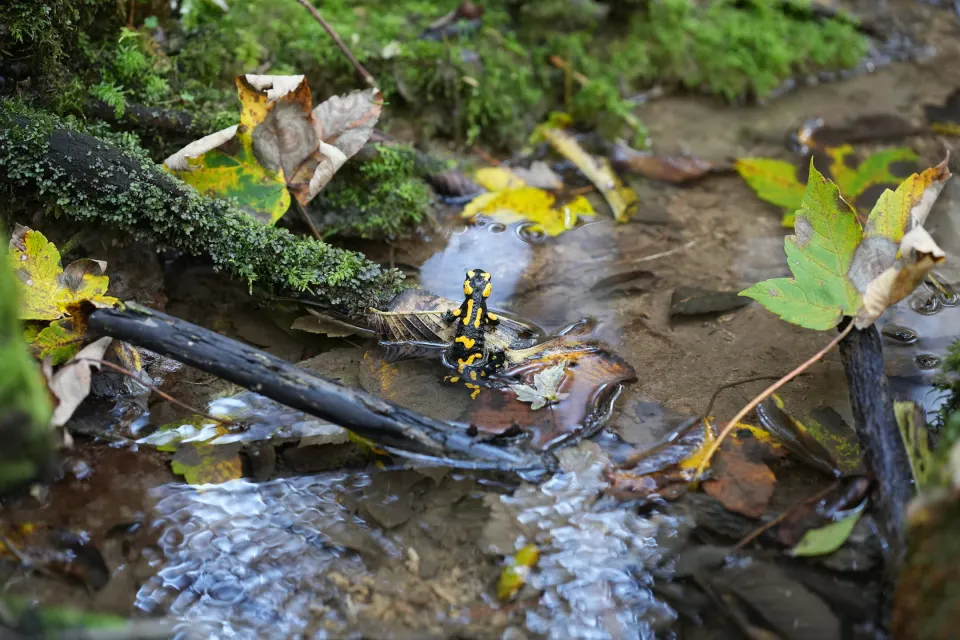 Spring & stream
Moss, stones and flowing water – good for long exposures.
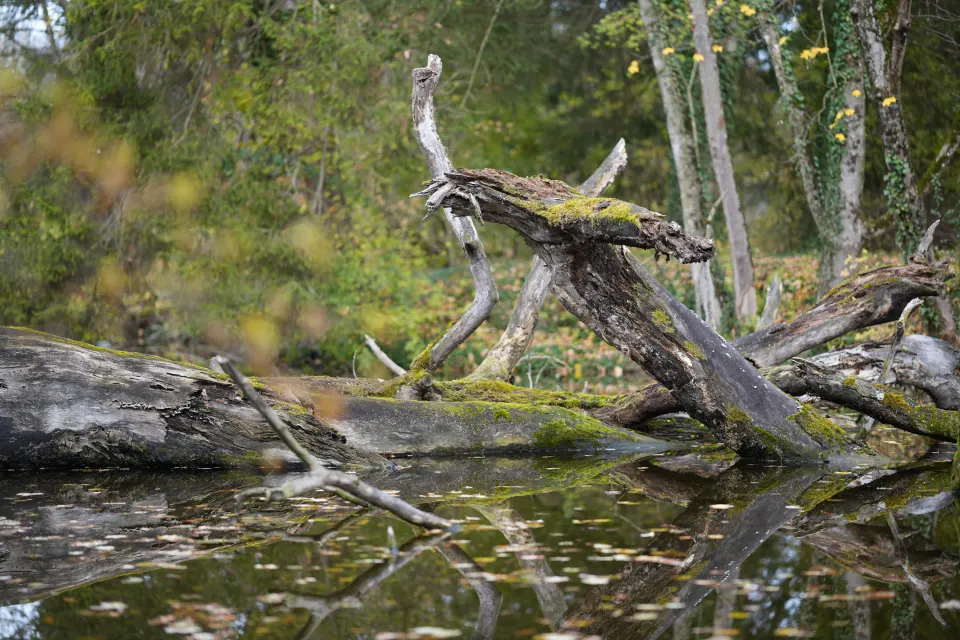 Protected area
Often the wildest bits of forest. Stay on paths.
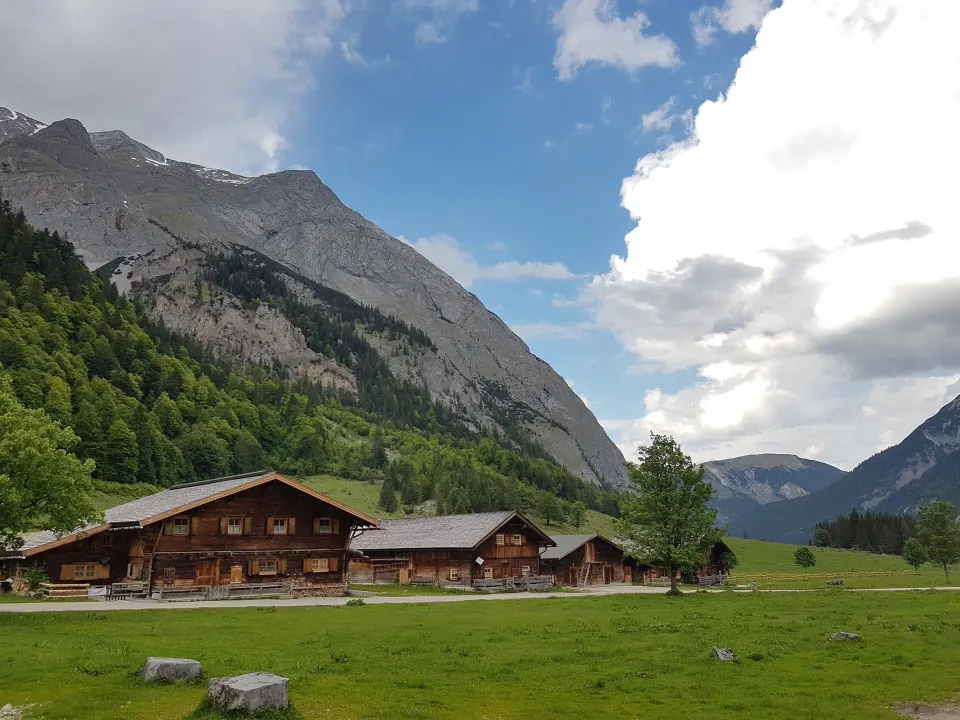 Mountain hut
Alpine scenery, meadows full of flowers, autumn colours on the slopes.
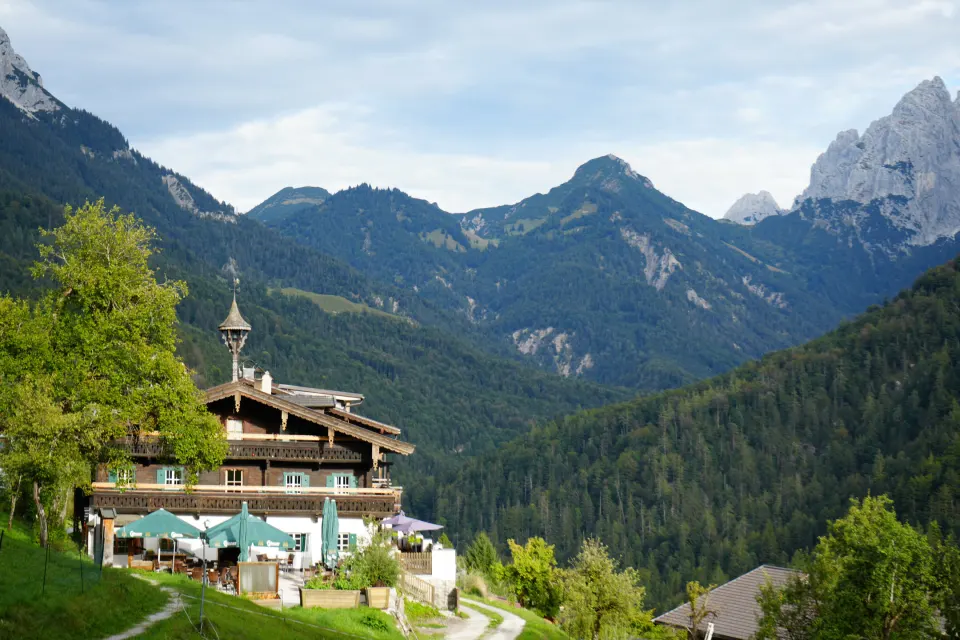 Shelter
Rustic huts and a break with a view.
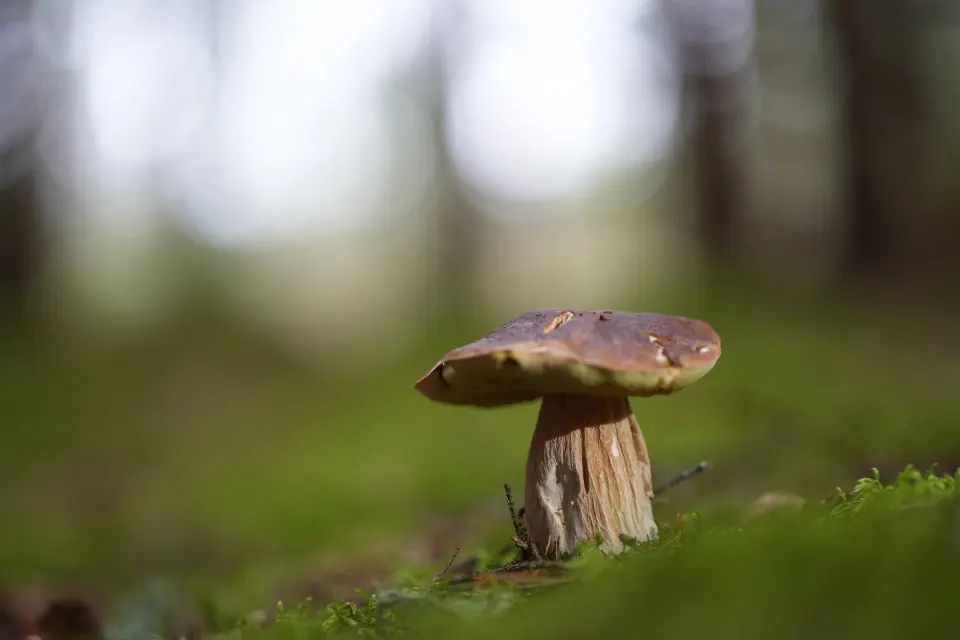 Mushrooms
Macro shots on moss and dead wood, guided by our mushroom map.
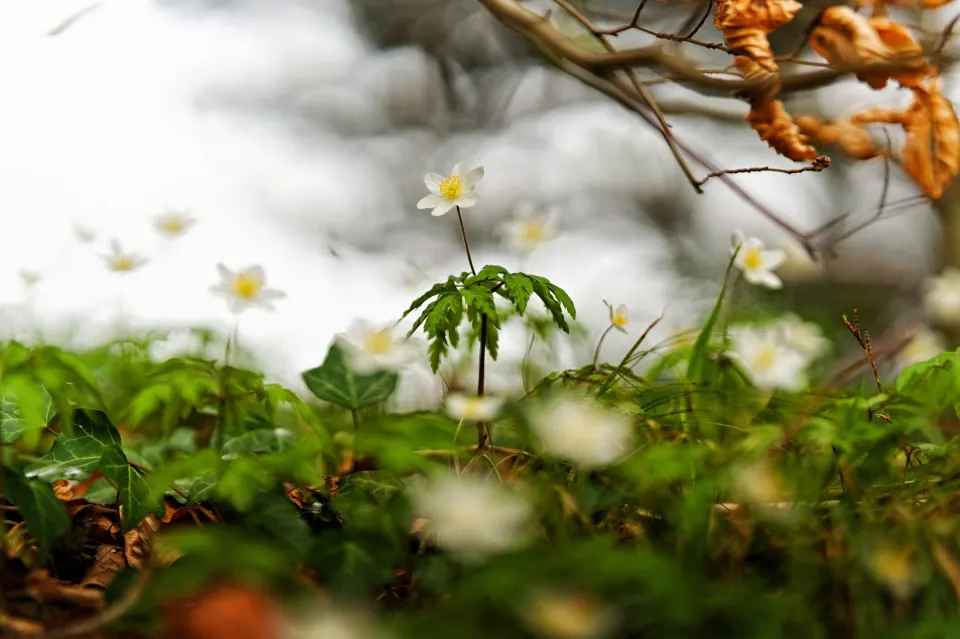 Plants in season
Wood anemone and wild garlic carpets, heather, berries – from real finds.
Light between trunks, streams, lakes and reflections.
☁️ Photo weather→📅 the right day→ 🗺️ Photo tour in the planner→🕐 Route with times→ 📸 Share a photo→🏅 Find of the week & points
The photo weather below shows on which of the next three days fog, frost or good light are likely. With that day you plan your photo tour in the planner – it takes you to the right forest and your subjects at blue hour. Afterwards share your best photo on the hotspot map: the one with the most likes becomes find of the week, and every photo earns points.
Full frame, mirrorless or phone: the photo tour takes you to photo spots that suit your subject at the right time.
Sunrise at a viewpoint or summit, a sea of fog in the valley, golden larches in autumn.
Mushrooms, moss, dewdrops and flowers – with our mushroom map and plants in season as a guide.
Dawn and dusk at quiet forest edges and protected areas – with distance and on the paths.
A short photo walk on easy paths, with tips for light, fog and close-ups.
Up close: mushrooms, flowers, small forest dwellers.
Then you will see blue and golden hour, morning and evening light, fog, frost and clear nights for the next three days. With an account we remember your home place.
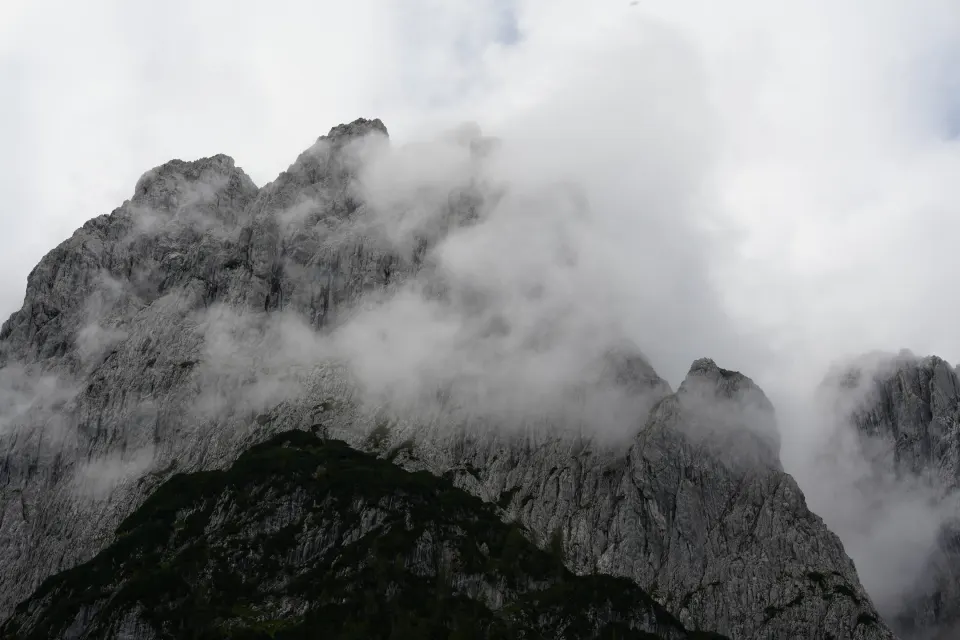
Start early: the best fog often hangs between the trunks only until shortly after sunrise. Backlight makes sunbeams visible. With rime, a background of dark trunks shows the white crystals best.
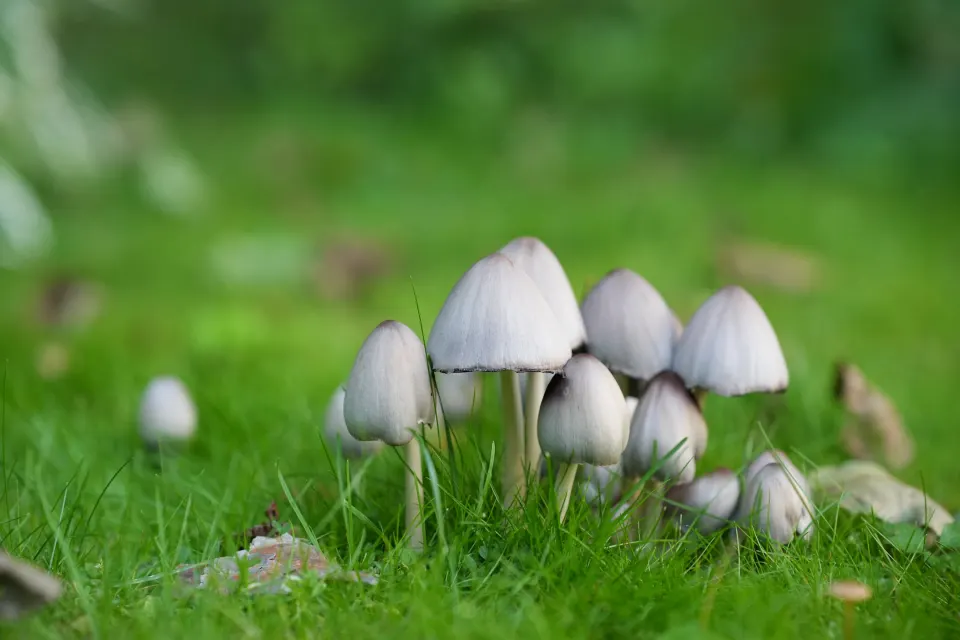
Get down to the mushroom’s eye level, use a wide aperture for a soft background; overcast skies avoid harsh shadows. Do not pick or rearrange mushrooms – leave the scene as it is.
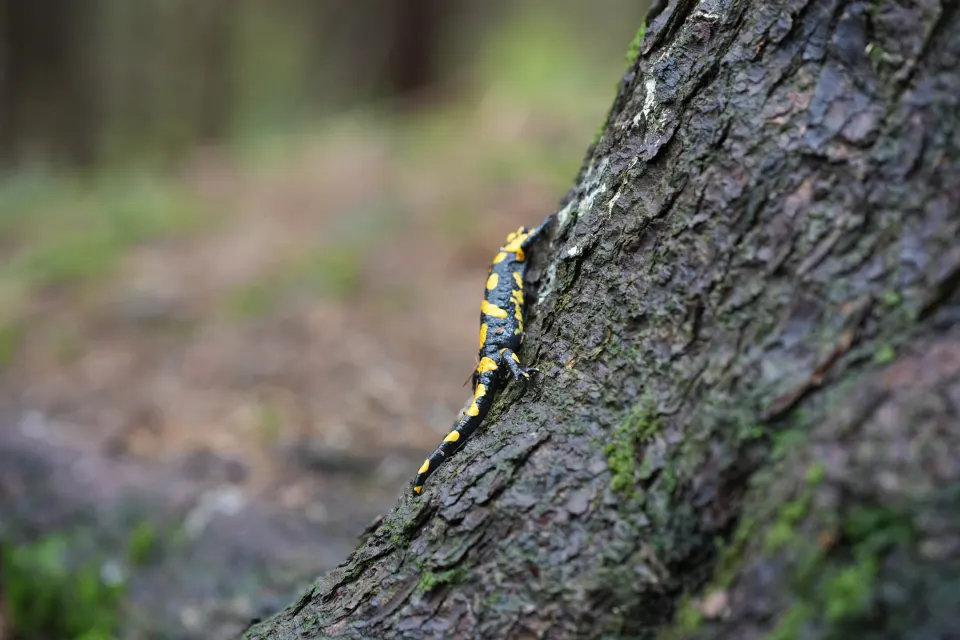
Better a long lens than a step closer. Stay on paths, do not disturb wildlife at dusk or in winter – fleeing costs animals a lot of energy then. Never share nesting sites, dens or eyries with an exact location.
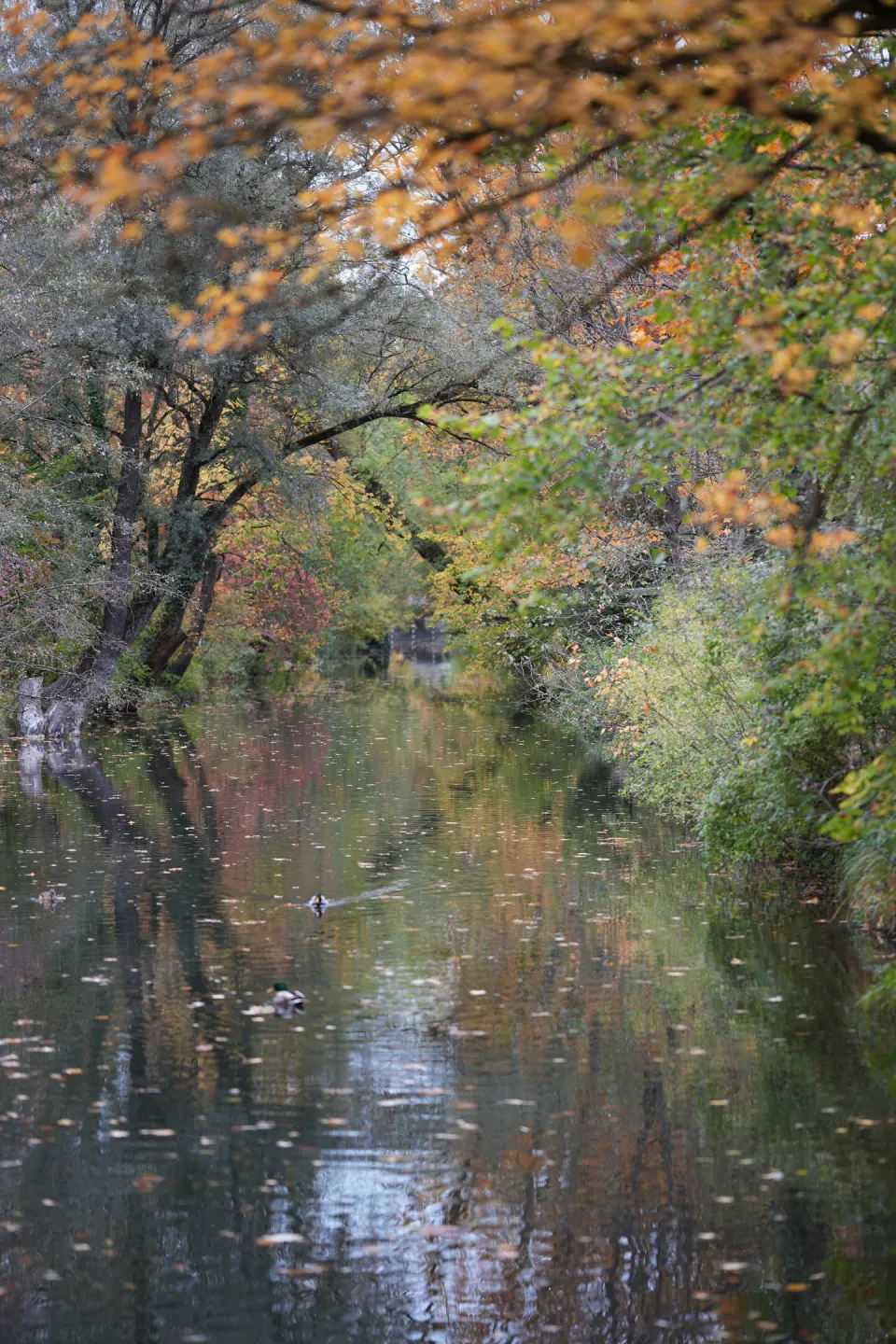
Beech forests glow in late autumn; after leaf fall, trunks and moss stand out more. Overexpose slightly in snow, or it turns grey. Cold drains batteries – carry spares in an inside pocket.
Share your photos on the hotspot map – the one with the most likes becomes find of the week → · Plan a photo tour →
Summits, ridges, a sea of fog – when the tour goes above the tree line.
In the forest treasure planner, pick the “Photo tour” idea and enter your place. The tour starts at blue hour, leads to a forest that suits the season and to up to three subjects of your choice – viewpoint, summit, lake, spring, mountain hut and more. The plan shows when you will be where, plus the photo weather.
Roughly the first hour after sunrise and the last hour before sunset. The light is warm and low and draws trunks, moss and mushrooms softly. Blue hour comes before or after, at twilight.
Most often after clear, calm nights in autumn and winter when the air is moist. It usually lasts until shortly after sunrise. It can only be forecast roughly – which is why we say “likely” or “possible”.
Rime forms when fog freezes onto twigs and grass in frost – with long, delicate ice crystals. Hoar frost forms on clear, frosty nights directly from moist air and covers leaves and meadows with a fine white coating.
Choose the idea “Photo tour” in the forest treasure planner and enter your place. The planner looks for viewpoints, summits, lakes, springs and streams, mountain huts, shelters and protected areas nearby and links your chosen subjects with a suitable forest into a photo route on hiking paths.
A hike where photography comes first – also called a photo walk. You walk slowly, stop often and plan around the light. That is why the photo tour in the planner is short and easy: about 5 km in around 3 hours, starting at blue hour.
Yes. The photo tour in the forest treasure planner comes with a free account. The photo weather on this page works without an account.
Forests are often dark: a fast lens or a tripod helps. For mushrooms and plants a macro or short telephoto lens at wide aperture works well, for animals a long telephoto. Also a headlamp for blue hour, rain cover for the camera, spare batteries and warm clothes.
Yes. Light, fog and subject make the photo – not just the camera. With a phone it helps to keep still or rest the phone in low light, get close to mushrooms and flowers, and shoot towards the light when fog hangs in the forest.
Taking photos from the paths is usually allowed; nature reserves often require you to stay on paths. In Germany, drones are generally not allowed over nature reserves without a permit. Local rules are posted on signs at the area.
Beech and maple usually turn from mid-October to early November depending on region and altitude; larches in the mountains often glow golden at the end of October. Foggy mornings after clear nights add soft light. In autumn the photo tour automatically picks forests with larches, beeches, birches or oaks.
The twilight before sunrise and after sunset, when the sun is just below the horizon. The sky glows deep blue and the light is soft and cool – good for fog, lakes and silhouettes. Depending on the season it lasts about 20 to 40 minutes. The photo weather above shows the times for your place.
Fog gathers first in hollows, valleys, along rivers, lakes and bogs, where cold, moist air settles. From a viewpoint or summit above you often see a sea of fog on clear autumn mornings. In the forest, fog works best with backlight between the trunks.
You need haze or light fog and a low sun – so early in the morning. Position yourself so the sun is behind trunks or branches, and expose for the bright areas so the rays do not blow out. A dark background makes them stand out more.
For forest landscapes around f/8 and a tripod so ISO can stay low. For mushrooms, flowers and details a wide aperture (f/1.4 to f/4) for a soft background. In a dark forest raise ISO rather than risk blur; in fog and snow expose slightly brighter.
Camera on a tripod, low ISO, f/8 to f/11 and shutter speeds of about ¼ to 2 seconds – flowing water turns silky. A polarizer removes glare from wet stones, an ND filter allows longer times in daylight. Overcast weather often works better than sun.
Viewpoints and summits with a clear view east, lakes with reflections and forest edges with fog in the meadow in front. Choose the subjects “viewpoint”, “summit” or “lake” in the planner – the route gets you there at blue hour, and the plan shows when you arrive.
Birches with white trunks look graphic all year, larches glow golden in autumn, beeches turn copper, firs and spruces carry snow and rime in winter. In the photo tour you can choose up to three tree species under “forest” – a birch forest, for example.
Start early, before the sun melts the crystals. Get close to twigs, grass and leaves with a macro or telephoto lens, ideally against a dark background. Expose slightly brighter so the ice stays white. The photo weather shows which morning rime or hoar frost is likely.
Stay on paths, keep quiet, keep the wind in your face and use a long telephoto rather than getting close. Do not disturb animals at dusk or in winter. No feeding, no calls during the breeding season, and never publish nests or dens with an exact location.
Yes – forest clearings, larch forests in autumn, alpine meadows and lake shores are popular sets for portrait and couple shoots. Entering the forest for recreation is allowed; commercial shoots with equipment set-ups or in protected areas may need a permit. Ask the forestry office or the municipality.
The photo tour plans about 5 km on easy paths and around 3 hours – with time for photography. Length, difficulty, start time and route type (loop, out and back) can be changed in the planner.
Yes, with a free account: as GPX for phone and GPS device, or as a PDF with map, elevation profile, arrival times and photo weather for printing. The plan itself is a link you can save or share.
Photos: Waldschatzfinder team.